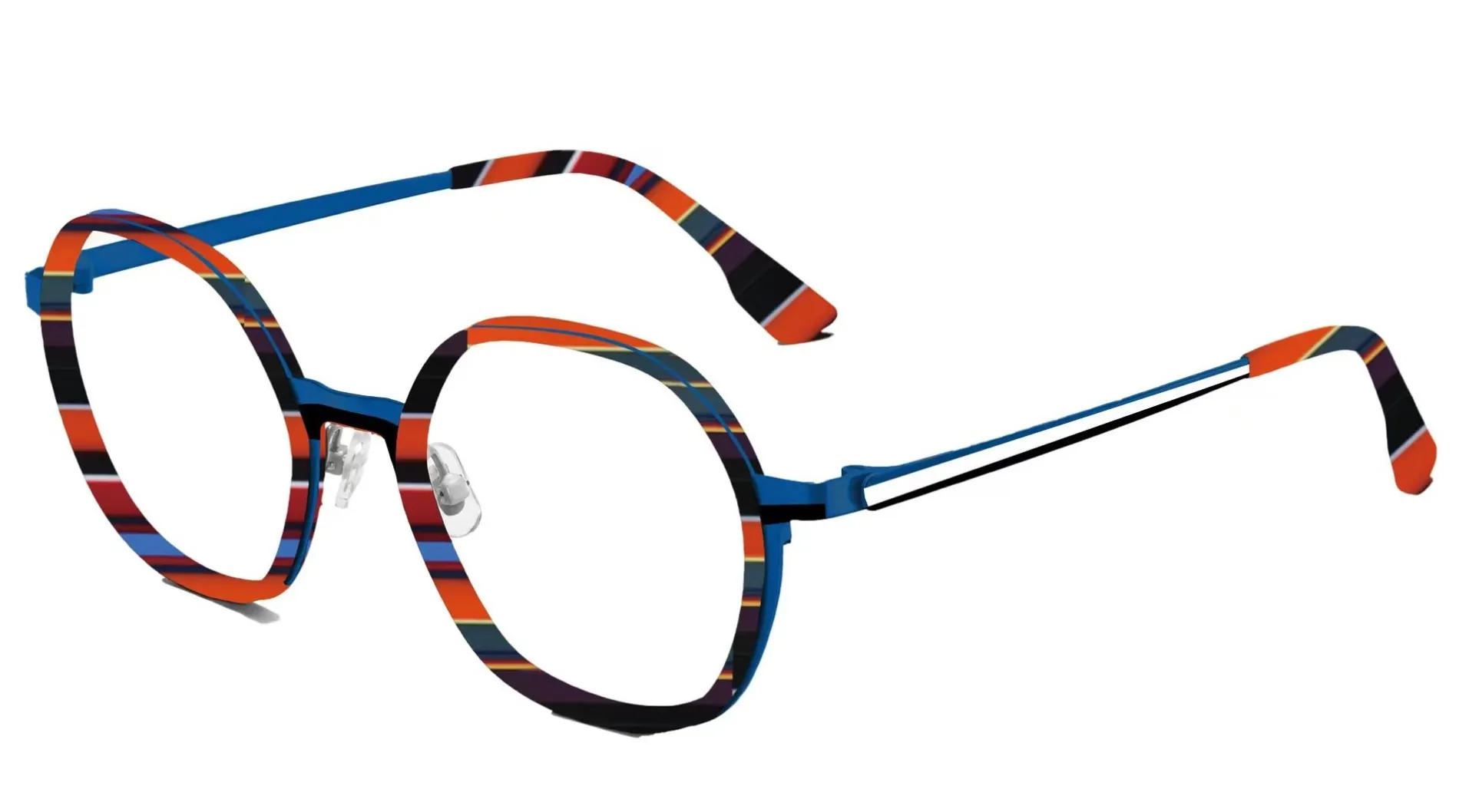
Oct 12, 2026Frame Materials
Acetate vs Metal vs TR90: Choosing Frame Materials for Your Market
How acetate, metal and TR90 frames compare on weight, cost, colour and durability - and which material fits sunglasses, optical, kids and reading programmes.
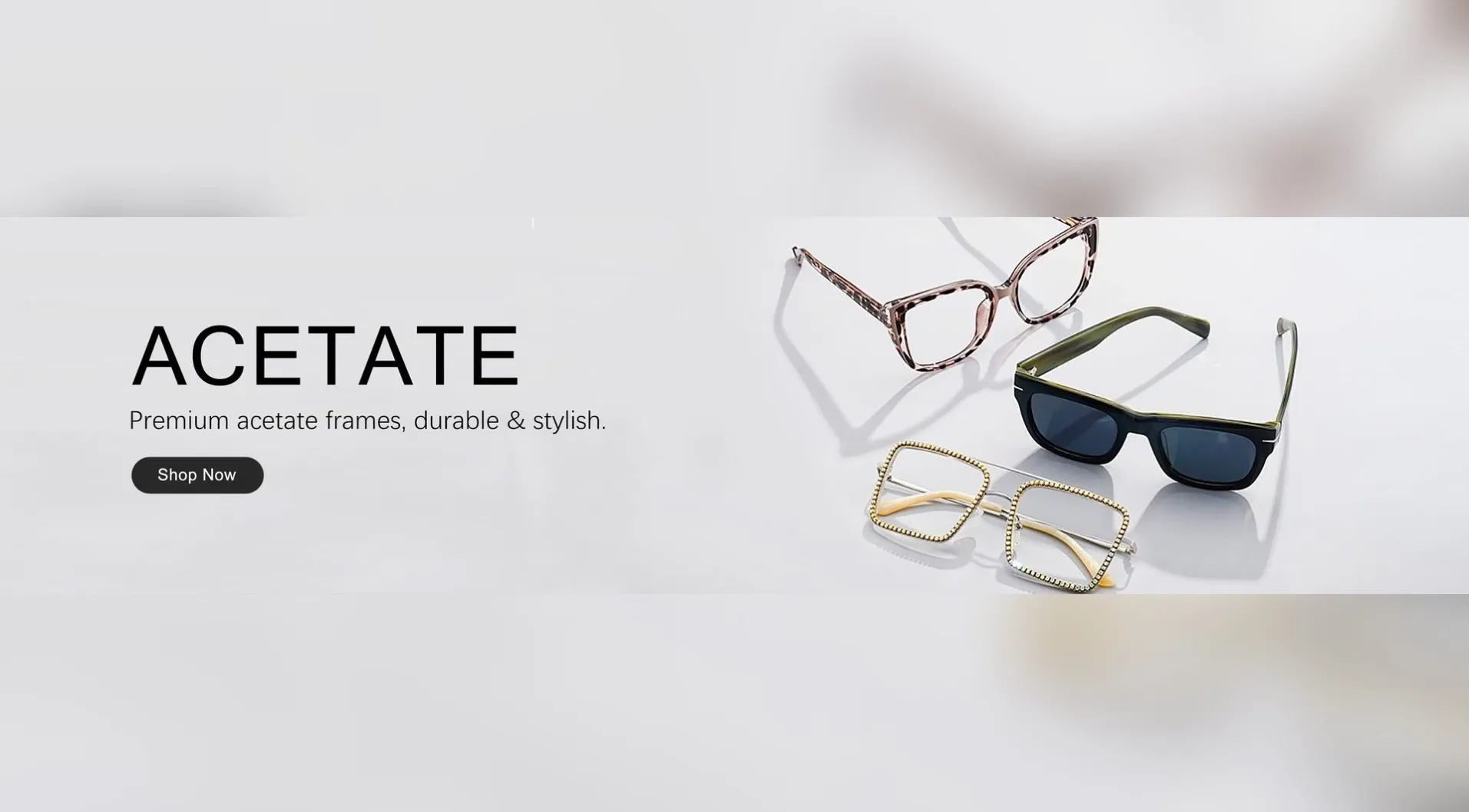
Frame material decides far more than how a pair of glasses looks. It sets the weight on the nose, the price on the tag, the colours you can offer and the customer who will pick the frame up. Here is how the three most common materials compare, and where each one wins.
Acetate: rich colour and a premium feel
Acetate is a plant-based material that starts as sheets, not pellets. Because the material is layered, frames can be made with deep colour combinations - two-tone fronts, translucent crystal, hand-beaded temples - that injection plastic cannot copy. Acetate holds its shape, polishes to a high gloss and is skin-friendly. It is the natural choice for fashion optical frames and premium sunglasses, and it is the material behind Fosoda's single-block BAF series and double-colour laminated designs.
Metal: slim, light and adjustable
Metal frames - stainless steel, monel and titanium families - look thinner than any plastic frame and can be adjusted for a precise fit. They suit business and rimless designs, and they combine well with acetate temples for a two-material look. Fosoda's carbon-fibre and metal combination styles target exactly this business segment.
TR90: ultra-light and nearly unbreakable
TR90 is a nylon-based material that bends and recovers instead of snapping. Frames weigh a few grams, survive rough handling and cost less than acetate. That makes TR90 the standard for kids' eyewear, sports styles and high-volume reading programmes where price matters.
Quick comparison
Weight: TR90 is lightest, metal next, acetate heaviest but solid on the face.
Cost: TR90 is the most budget-friendly, metal sits mid-range, acetate is premium.
Colour range: acetate is unbeatable for layered and translucent colours.
Durability: TR90 resists impact, metal frames can be bent back into shape, acetate keeps its form.
Best for: acetate for fashion optical and premium sun, metal for business and rimless, TR90 for kids, sport and entry price points.
Matching material to your market
For North American and European fashion retail, acetate optical frames and cat-eye sunglasses carry the margin. For pharmacy and drugstore reading programmes, TR90 keeps the price sharp. For business channels, slim metal frames with carbon-fibre details sell on comfort and a professional look. Many brands run two or three material lines side by side to cover different price tiers.
Feel the difference yourself
Fosoda produces all three materials - 79 acetate styles, 27 metal styles and a full polarized sunglasses line among more than 150 models. Request a sample sheet and compare the materials in your hand before you commit: sales2@fosoda.com.